Tick Bites and Lyme Disease: What You Need to Know This Season

Jason Sellers, MD
Now that warmer weather is here, many of you are spending more time outside, whether that means hiking, gardening, walking the dog, or just relaxing in the yard. That is great for your health. But it is also important to know how to protect yourself from tick bites and what to do if you find one on your skin.
The good news is that most tick bites do not cause illness. However, catching them early and knowing the warning signs can make a real difference in keeping you healthy.
Why This Matters
Ticks are tiny creatures that attach to your skin and feed on blood. Some of them carry bacteria that can cause infections, the most well-known being Lyme disease.
Even if a tick bites you, the chance of getting sick is relatively low. The risk goes up the longer a tick stays attached, especially if it has been on your skin for more than 24 to 36 hours. That is why finding and removing ticks quickly is one of the best things you can do to protect yourself.
Where You Might Run Into Ticks
You do not have to be deep in the woods to come across a tick. They are commonly found in tall grass, bushy or wooded areas, leaf piles, and anywhere deer or small animals tend to be. Even your own backyard can be enough exposure.
Simple Steps to Protect Yourself
A few easy habits can go a long way. When spending time in grassy or wooded areas, try to wear long sleeves and pants. If you are walking through tall grass, tuck your pants into your socks. Use an insect repellent that contains DEET or picaridin, and stick to marked trails when hiking.
Most importantly, get in the habit of doing a quick body check when you come inside. Check yourself, your children, and your pets. It only takes a minute, and it is one of the most effective things you can do.
What to Do If You Find a Tick on Your Skin
If you spot a tick attached to your body, try not to worry. Here is how to remove it safely:
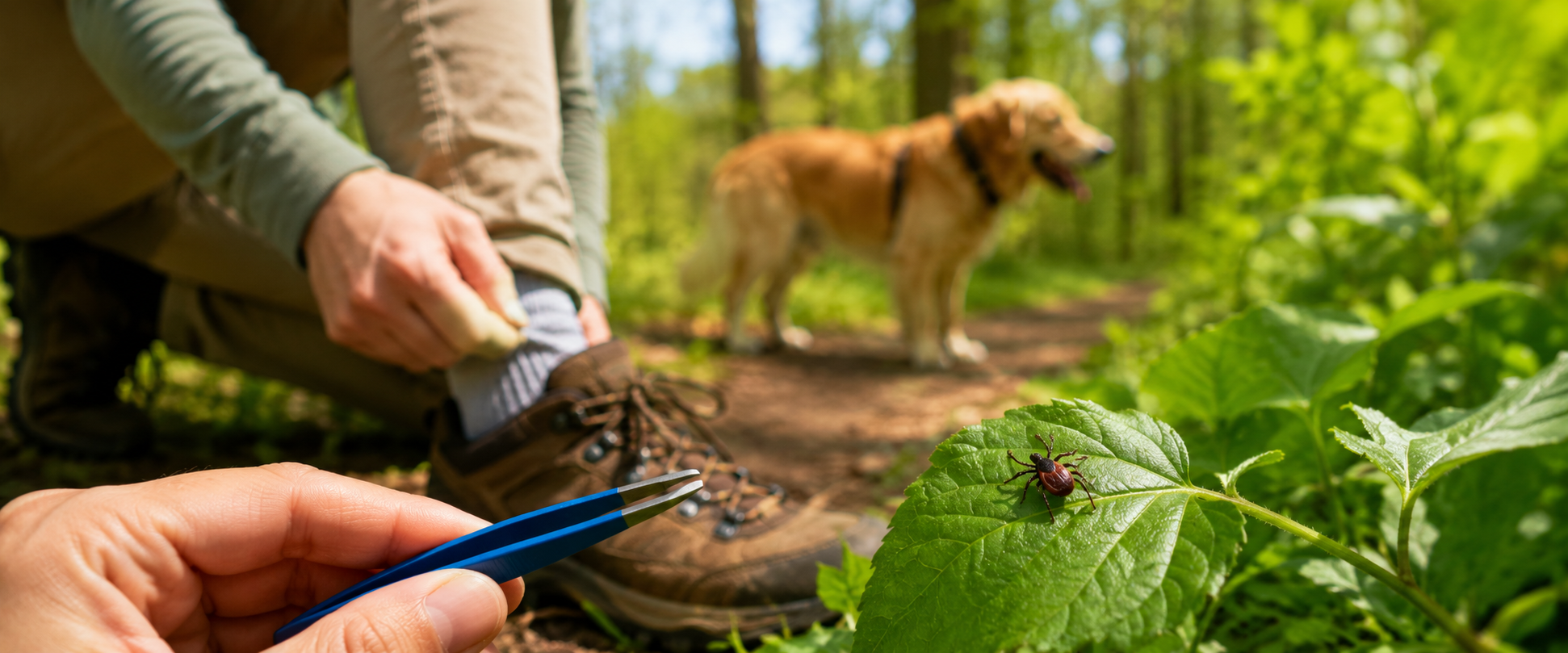
Use fine-tipped tweezers and grab the tick as close to the surface of your skin as you can. Pull upward with steady, even pressure. Do not twist or jerk it. Once it is out, clean the bite area with soap and water or rubbing alcohol, and wash your hands.
Please avoid home remedies like putting nail polish on the tick, dabbing it with alcohol while it is still attached, or trying to burn it off. These methods are not effective and can actually increase the risk of infection.
Signs to Watch For
If a tick bite leads to an infection, symptoms may not appear right away. They can show up anywhere from 3 to 30 days after the bite. Here is what to keep an eye on:
A rash at or near the bite site is one of the more common early signs. It is often described as looking like a bullseye, but it does not always take that shape. Other symptoms may include fever or chills, unusual tiredness, headaches, muscle or joint aches, and swollen lymph nodes.
When to Contact Your Radish Provider
Please do not hesitate to reach out if any of the following apply:
- The tick was attached for a long time, especially more than 24 to 36 hours
- A rash or flu-like symptoms develop after a bite
- You are not sure how long the tick was on your skin
- You are feeling unwell after recent time spent outdoors
It is always better to reach out early rather than wait. When Lyme disease is caught and treated early, the outcomes are very good.
Enjoy Your Time Outside
None of this should keep you from getting outdoors. Just make tick checks part of your routine, the same way you would put on sunscreen. A little awareness goes a long way, and our team is always here if you have questions or concerns.
Stay safe, and enjoy the season.
Request a Free Demo
Learn how Radish Health can help you improve employee health and save on healthcare.
Request a Demo